
Afghan food isn’t just about recipes. It’s about home, family, memories, and big flavors. Whether you’re brand new to Afghan cooking or grew up watching your mom stir a pot of ghorma, the right cookbook makes all the difference.
I’ve got the three Afghan cookbooks I have in my kitchen listed below.
Arman: An Afghan Cookbook from a Kitchen of Longing
Arman’s Afghan Kitchen was written for anyone who has ever missed a place they might not have fully known — but felt deeply.
Yes, it’s a cookbook. But it’s also about growing up Afghan in the diaspora, where food becomes one of the last things that truly holds us together. The stories throughout the book aren’t polished or distant. They’re honest, familiar, and sometimes quietly heavy — the kind that live between smells in the kitchen, long phone calls with parents, and recipes that never had measurements written down.

Readers often talk about how the stories hit close to home:
- Growing up between cultures
- Watching parents carry Afghanistan in small, everyday ways
- Using food to stay connected when language, geography, or time shifted
- Learning heritage through cooking when no one ever sat down to teach it
These are stories many Afghan families live, but rarely see reflected in cookbooks. For diaspora readers especially, Arman’s Afghan Kitchen feels less like being taught and more like being understood.
And then there’s the food.
The recipes are designed to feel comforting, not intimidating:
- Afghan classics explained clearly and calmly
- Steps that assume you’re learning, not judging
- Ingredients you can actually find in U.S. grocery stores
- Little tips that feel like someone is standing next to you
This Afghan cookbook is for people cooking to reconnect with their parents, their past, or themselves. For the diaspora kids who didn’t grow up measuring spices, and for anyone who just wants Afghan food to feel possible again.
I just shared a story about longing, and what it could have been if I had grown up in Afghanistan.
Parwana: Recipes and Stories from an Afghan Kitchen
Parwana by Durkhanai Ayubi is one of the most loved Afghan cookbooks worldwide, and for good reason. Reviews consistently describe it as more than a cookbook—it’s part memoir, part history, and part love letter to Afghan culture.

Readers love:
- Deep family stories woven into recipes
- Beautiful food and family photography
- A strong sense of Afghan hospitality and generosity
The recipes are authentic and meaningful, often tied to celebrations, memories, or migration stories. While some home cooks say it requires a bit more time and focus, many appreciate the emotional connection and cultural depth it brings to Afghan food.
Durkhanai Ayubi is an Afghan‑Australian writer, restaurateur, and storyteller who uses food to preserve memory, culture, and identity. Born in Afghanistan, she left with her family as a child during the Soviet invasion and later grew up in Australia, carrying Afghanistan with her through food and family traditions.
Her cookbook, Parwana: Recipes and Stories from an Afghan Kitchen, is deeply rooted in her family’s history and inspired by her parents’ cooking and the family‑run restaurant Parwana in Adelaide. Through recipes passed down for generations, Ayubi shares stories of displacement, resilience, and the central role food plays in Afghan hospitality and community.
Afghan Food & Cookery by Helen Saberi
Afghan Cookery is considered a classic Afghan cookbook, and many long‑time reviewers still call it one of the most authentic resources available. This is the first Afghan Cookbook I ever owned. Helen Saberi is a food historian and writer who lived in Afghanistan for many years after marrying an Afghan engineer.
While she lived in Afghanistan, she learned to cook directly from Afghan family members and everyday home kitchens, gathering recipes rooted in daily life, tradition, and celebration.

What people appreciate most:
- Traditional Afghan recipes passed down through families
- Insight into Afghan culture, holidays, and daily cooking
- Simple, honest flavors without shortcuts
Readers often mention that:
- The recipes taste very traditional
- Instructions can be less detailed than modern cookbooks
- There are few (or no) food photos
That makes this book excellent for cooks who already understand basic techniques and want old‑school Afghan cooking, just like it was done generations ago.
Buy All the Afghan Cookbooks
Afghan cookbooks aren’t meant to compete with each other — they belong together.
Each one carries something different: a memory, a region, a family story, a moment in time. Recipes and stories are deeply interconnected in Afghan culture. You can’t really separate the food from the people who cooked it, carried it across borders, or passed it down when everything else was changing.
Having more than one Afghan cookbook means:
- Seeing Afghan food through different generations and experiences
- Honoring both tradition and diaspora voices
- Understanding that there isn’t one single Afghan story — there are many
If you love Afghan food, the best way to support it is to collect, cook from, and share these books. The more stories we protect, the more complete our food culture becomes.
And if you have an Afghan cookbook you love — or know of one I should buy, read, and feature — I’d truly love to hear from you.
📩 Reach out to me on Instagram at Afghancooks and let’s keep amplifying Afghan voices through food
Special Offer for You – Free Shipping for Afghan Cookbook
If you’re ready to get started with Arman’s Afghan Kitchen,
✅ Free U.S. shipping when you use code COOKSCLUB2025
👉 Grab your copy here:
https://afghancooks.com/armancookbook/
Happy cooking—and don’t forget to tag @afghancooks when you make something delicious.
Related Afghan Recipes to Try at Home
If these cookbooks inspired you to get into the kitchen, here are a few classic Afghan recipes from Afghan Cooks that pair beautifully with the dishes you’ll find in all three books. These are great starting points if you want to cook with confidence and heart.
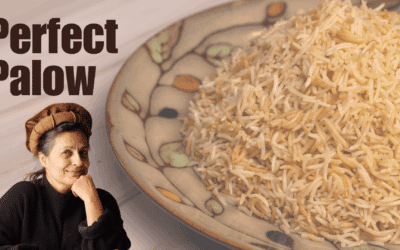
- 🥘 Kabuli Pulao (Afghanistan’s National Dish)
The ultimate Afghan dish — fragrant rice, tender meat, sweet carrots, and raisins. Every Afghan cookbook tells this story in its own way. - 🍆 Borani Banjan (Eggplant with Yogurt)
A beloved Afghan comfort dish passed down through generations. Rich, warming, and meant to be eaten with bread. - 🫓 Afghan Bread (Naan)
No Afghan meal is complete without bread. This recipe brings the smells and memories of home straight into your kitchen. - 🥟 Mantu (Afghan Dumplings)
A special‑occasion dish found in many Afghan cookbooks. Time‑intensive, but always worth it. - 🍗 Afghan Chicken Korma (Ghorma)
A weeknight‑friendly take on a traditional favorite — comforting, flavorful, and simple enough to make often.


0 Comments